
MIRRORLIARS FILMS, volume 4
di Matteo Boscarol

Scroll down for the English version
MIRRORLIAR FILMS è un progetto lanciato in Giappone nel 2020, nato con l’obiettivo di scoprire e sostenere nuovi talenti e, al contempo, suscitare un interesse più ampio per l’arte del cortometraggio. Prodotto dagli attori Abe Shinnosuke e Yamada Takayuki, insieme al produttore Itō Chikara e ad altri professionisti del settore, il progetto adotta un approccio libero e innovativo, riunendo talenti affermati e indipendenti senza distinzione di età, genere, professione o genere cinematografico.
I cortometraggi vengono raccolti in antologie attraverso eventi speciali, proiezioni cinematografiche e piattaforme streaming. Fino al 2026, MIRRORLIAR FILMS ha pubblicato in tutto otto volumi, presentando complessivamente 58 cortometraggi, proiettati nelle sale cinematografiche di tutto il Giappone.
Per un periodo limitato, MIRRORLIAR FILMS Vol. 3 e Vol. 4 sono disponibili in streaming in tutto il mondo, ad eccezione del Giappone, su SAKKA, dal 2 al 24 ottobre 2026.
I cortometraggi sono da sempre un terreno fertile e un laboratorio dove i cineasti possono sperimentare e trovare la propria voce. Allo stesso tempo, però, dovrebbero essere considerati una componente essenziale del cinema in quanto tale, e non soltanto una tappa verso la realizzazione di lungometraggi. Guardando al passato, e lasciando da parte le opere più sperimentali o d’avanguardia, possiamo trovare molti esempi di creatività e poesia espresse attraverso la forma breve. Ako (Shiroi asa, 1964) di Teshigahara Hiroshi e Rendezvous (C’était un rendez-vous, 1976) di Claude Lelouch sono due dei primi titoli che ci vengono in mente, ma naturalmente gli esempi provenienti da epoche e paesi diversi sono molti.
Un cineasta che recentemente si è espresso a favore del formato del cortometraggio è Hamaguchi Ryūsuke. Il suo Wheel of Fortune and Fantasy (Gūzen to sōzō, 2021) è un esempio perfetto delle potenzialità del formato. Come ha osservato lo stesso regista, «i cortometraggi possono, a mio avviso, lasciare un’impressione più intensa e vivida, poiché offrono soltanto un breve scorcio su un determinato mondo. Un film più breve può anche mostrare qualcosa di raro, eventi la cui esistenza non è certa, lasciando tutto in sospeso e senza addentrarvisi troppo».
Il Volume 4 del progetto ha come tema centrale il “cambiamento” e i cortometraggi raccolti in questa antologia esplorano trasformazioni provocate tanto da piccole decisioni personali quanto da eventi di portata molto più ampia. Non è forse un caso che più di un film qui presente affronti la pandemia di COVID-19 o sia ambientato durante quel periodo. Questo spiega inoltre anche il perché, rispetto all’antologia precedente, questo volume sembri addentrarsi in territori più cupi.
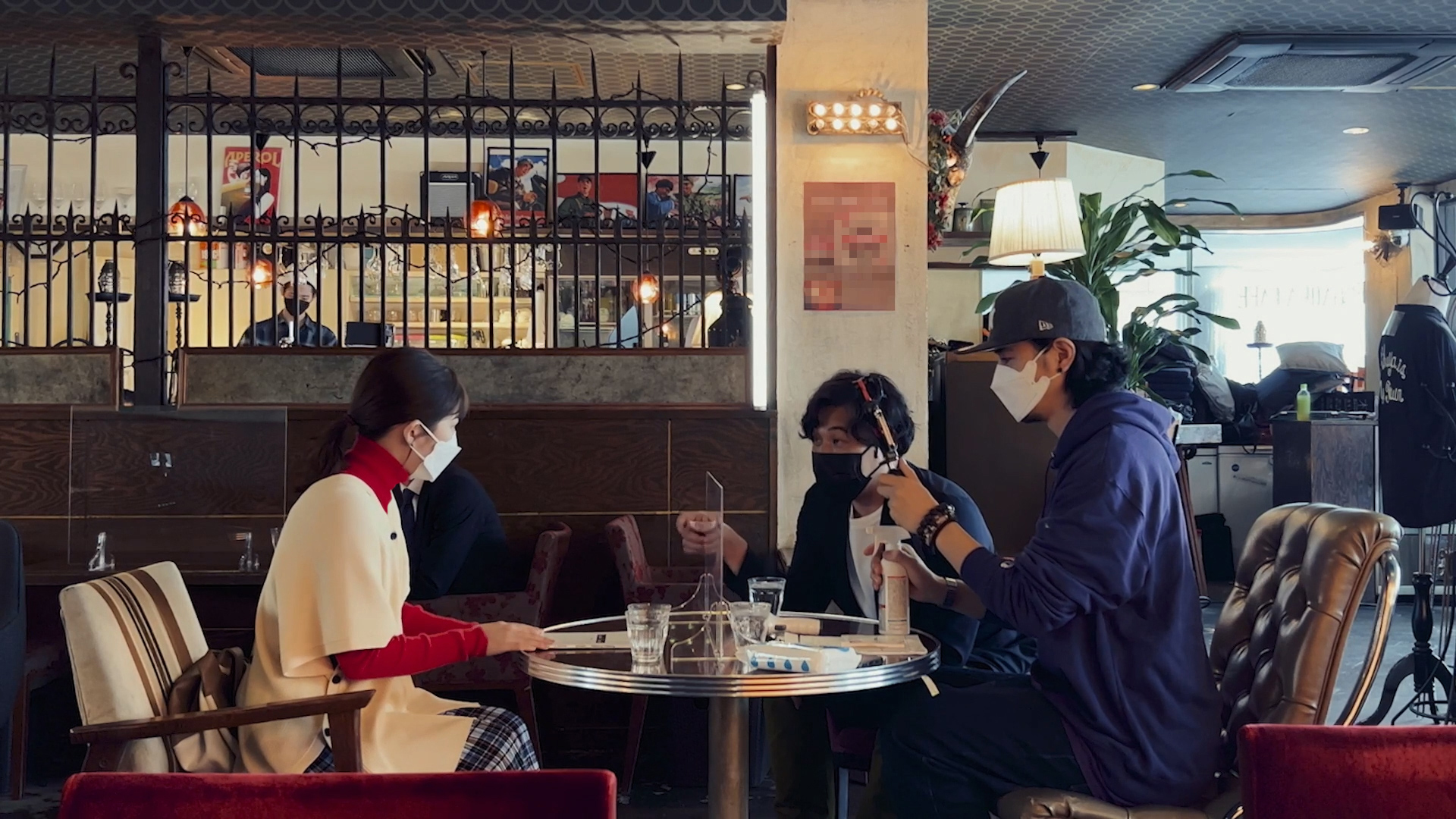
COMPLY+-ANCE (Joyū i no yūutsu / COMPLY + – ANCE, Saitoh Takumi, 2022) è un remake, con un cast diverso e una nuova sceneggiatura, di un cortometraggio che lo stesso Saitoh aveva diretto nel 2020. Da quanto ci sembra, l’idea alla base rimane la stessa: una feroce satira del modo in cui la televisione giapponese e, in realtà, anche i canali video più indipendenti, manipolano e distorcono la realtà per adattarla a uno schema prestabilito.
Una pratica che è diventata ancora più evidente ed estrema durante la pandemia, con tutte le regole e le restrizioni che, in molti casi, non erano necessariamente utili a proteggere concretamente le persone dal contagio, ma servivano piuttosto come una sorta di atto performativo: il cosiddetto “hygiene theater”.
Il film, girato in parte come un video di YouTube, segue Sairi, un’attrice emergente che si siede in un caffè per un’intervista con una troupe. Man mano che la troupe diventa sempre più cauta riguardo a ciò che lei può o non può bere, mangiare e dire, e a ciò che può essere condiviso pubblicamente durante la pandemia, una lista sempre più lunga di restrizioni e obblighi trasforma gradualmente l’intervista in un surreale siparietto mediatico.
Dopo aver mostrato ciò che è avvenuto dietro le quinte, il cortometraggio si conclude con il video “ufficiale” definitivo, pesantemente manipolato: gli occhi di Sairi vengono ingranditi, le sue parole vengono tagliate e ricomposte per creare nuovi significati e, in un dettaglio particolarmente efficace, lo schermo viene costantemente ricoperto di parole, spiegazioni e avvertimenti. Ne risulta un sovraccarico di informazioni, perlopiù inutili, che parodizza in modo tagliente lo stile comunemente utilizzato dalle televisioni private giapponesi e da certi video online.
Guarda il cortometraggio qui
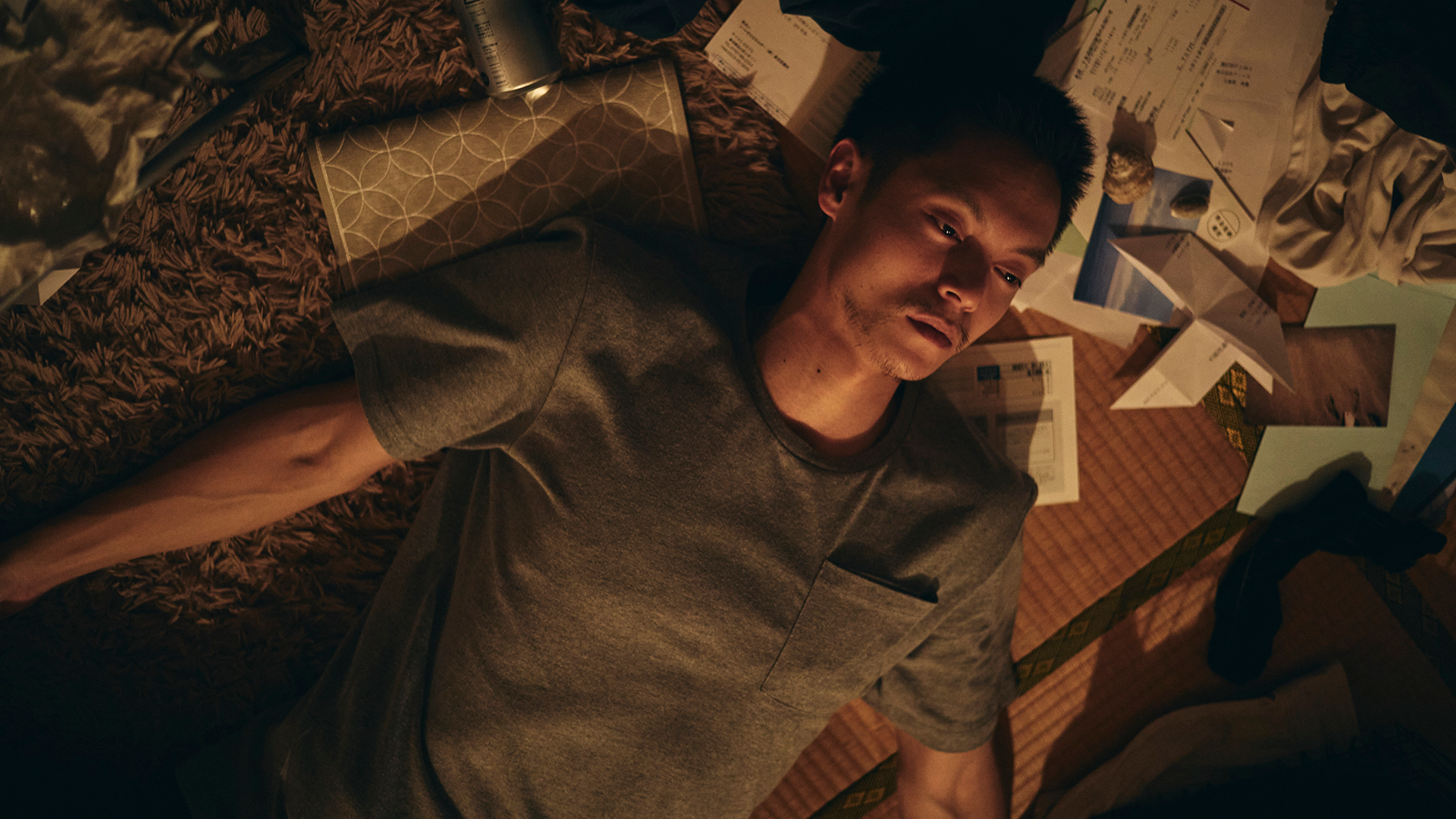
About a Man (Otoko no koto wo, Mizukawa Asami, 2022) è un buon esempio di one-room film, dal momento che questo cortometraggio, incentrato su un uomo che si è ritirato dalla società, è girato quasi interamente in un’unica location.
Cosparso di vecchio cibo e sacchetti di plastica usati e immerso in un’oscurità quasi totale, l’appartamento in cui vive il giovane è allo stesso tempo la sua casa e la sua prigione. I ricordi di ciò che ha causato la sua depressione, probabilmente una separazione, sono ovunque intorno a lui e dentro la sua testa e gli impediscono di uscire da questo circolo vizioso.
La possibilità di spezzare questo isolamento si presenta un giorno, quando si imbatte in una vecchia macchina fotografica e scopre una fotografia di sé stesso appartenente a un periodo che aveva quasi dimenticato. L’immagine, insieme a una piccola pianta che tiene vicino al lavandino, risveglia qualcosa in lui, interrompendo la routine che ha costruito intorno alla propria solitudine. Ben illuminato e fotografato, il film funziona soprattutto grazie alla presenza e alla performance del talentuoso attore Kubota Masataka nel ruolo principale.
Guarda il cortometraggio qui
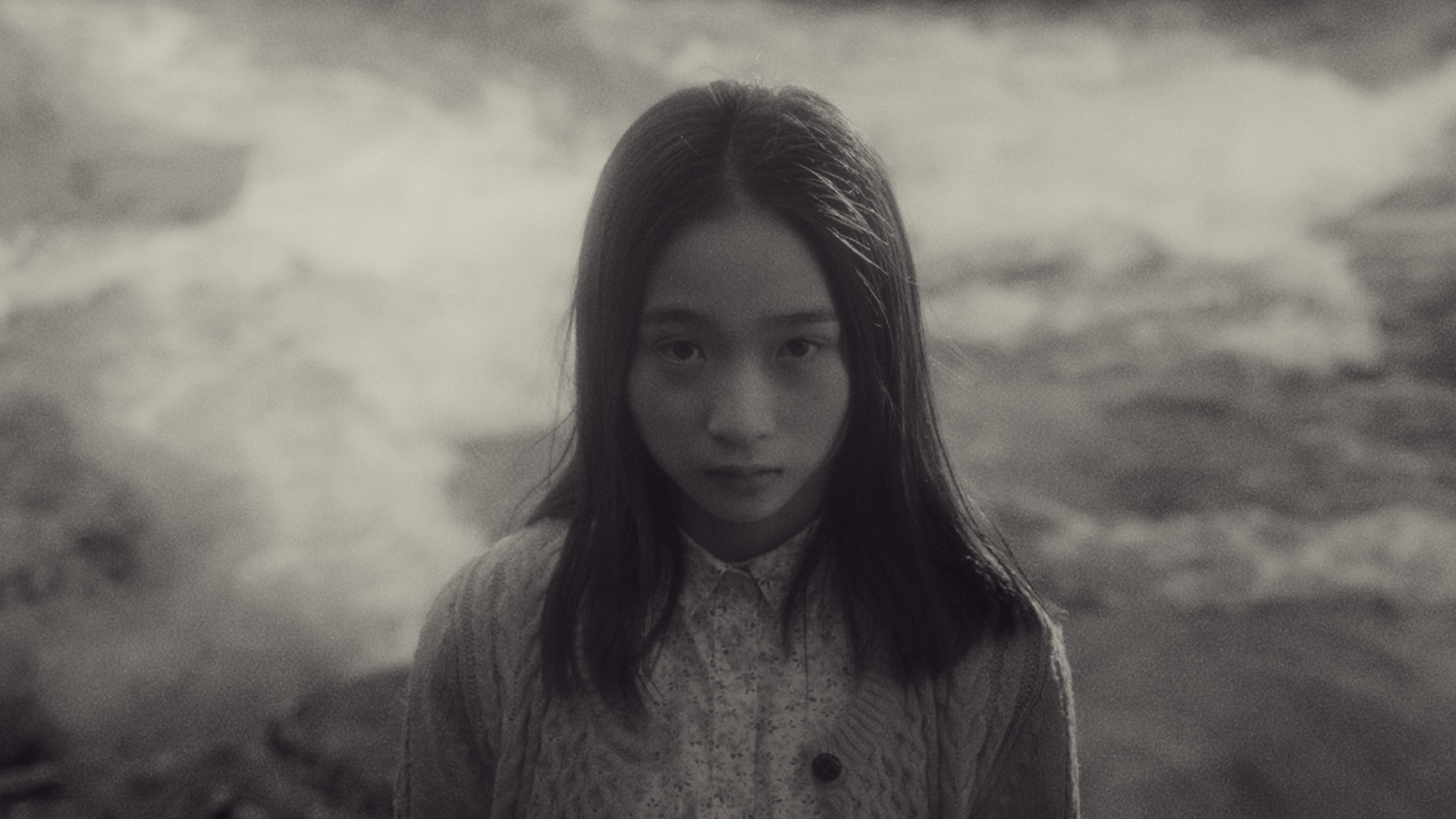
Shirumashi (Shirumashi, Fukunaga Takeshi, 2022) è un cortometraggio diretto, fotografato e montato da Fukunaga Takeshi, regista di interessanti lungometraggi come Ainu Mosir (Ainu moshiri, 2020) e Mountain Woman (Yama onna, 2022), oltre che di diversi episodi della recente serie Shōgun. Originario di Hokkaido, Fukunaga sa come catturare i paesaggi della parte settentrionale dell’arcipelago giapponese. In questo caso, l’ambientazione è Tōno, paese nella prefettura di Iwate.
Una giovane ragazza sa che alla nonna non resta molto da vivere. Sentendosi impotente, si addentra nelle montagne di Iwate, pregando per la guarigione della nonna. Mentre cammina, si ritrova a canticchiare la ninna nanna che sua nonna le cantava quando era bambina. In queste montagne, che si dice siano abitate dagli dèi, sperimenta qualcosa noto come shirumashi, una profezia.
È soprattutto l’aspetto visivo, davvero straordinario, a colpire, ma non si tratta di una scelta estetica fine a sé stessa. Al contrario, la fotografia in bianco e nero, morbida e quasi sfocata, restituisce perfettamente l’atmosfera del luogo e stabilisce il tono del film fin dalla sua prima scena. Tutto ciò che accade nella trama è già inscritto o almeno suggerito, dalla messa in scena, dalla composizione, dalla musica e dalla scelta dei paesaggi.
Guarda il cortometraggio qui
English version
MIRRORLIAR FILMS is a project launched in Japan in 2020, created to discover and nurture emerging voices while inspiring broader interest in the art of the short film. Produced by actors Abe Shinnosuke and Yamada Takayuki, together with producer Itō Chikara and others, the initiative embraces a free and innovative approach that brings together established and independent talents regardless of age, gender, profession, or genre.
These films are curated into omnibus programs presented through special events, theatrical releases, and streaming platforms. By 2026, MIRRORLIAR FILMS had released eight editions and presented a total of 58 short films in theaters across Japan.
For a limited time, MIRRORLIAR FILMS Vol. 3 and Vol. 4 are streaming worldwide (excluding Japan) on SAKKA from October 2 through 24, 2026.
Short films have always been fertile territory for filmmakers to experiment and a laboratory in which to find their voices. At the same time, however, they should be considered an essential part of cinema in their own right, rather than merely a stepping stone toward the creation of feature-length films. Looking back, and excluding the more experimental or avant-garde works, we can find many exquisite examples of creativity and poetry expressed through the short form. Ako (Shiroi asa, 1964) by Teshigahara Hiroshi and Rendezvous (C’était un rendez-vous, 1976) by Claude Lelouch are two that immediately come to mind, and among my favourites, but there are, naturally, many more examples from different decades and countries.
A more recent filmmaker who has spoken in favour of the short-film format is Hamaguchi Ryūsuke. His Wheel of Fortune and Fantasy (Gūzen to sōzō, 2021) is a perfect example of the format’s potential. As he has pointed out, “short films can, in my opinion, leave a more intense and vivid impression as they only offer a brief glimpse into a certain world. A shorter film can also show something rare, events whose existence is not certain, leaving everything in suspense and without going too deep into it.”
Volume 4 of the project takes “change” as its central theme, and the shorts in this anthology explore shifts brought about by both small, personal decisions and much larger events. It is perhaps no coincidence that more than one of the films featured here addresses the COVID-19 pandemic or is set during it. This may also explain why, compared with the previous anthology, this volume seems to tap into darker territories.
COMPLY+-ANCE (Joyū i no yūutsu/ COMPLY + – ANCE, Saitoh Takumi, 2022) is a remake, with a different cast and a new screenplay, of a short that Saitoh himself directed in 2020. As far as I understood it, the idea behind it remains the same: a fierce satire of the way Japanese television, and, in reality, more independent video-channel outlets as well, manipulates and distorts reality to fit it into a box.
This practice became even more evident and extreme during the pandemic, with all the rules and regulations that, in many cases, were not necessarily useful in actually protecting people from infection, but instead served as a kind of performative act: the so-called “hygiene theater.”
The film, shot partially like a YouTube video, follows Sairi, an up-and-coming actress who sits down for an interview with a camera crew at a coffee shop. However, as the crew becomes increasingly cautious about what she can and cannot drink, eat, say, and be shared publicly during the pandemic, a growing list of restrictions and compliances gradually turns the interview into a surreal piece of media.
After showing what went on behind the scenes, the short ends with the final “official” video, which has been heavily edited: Sairi’s eyes are made larger, her words are cut and pasted to create new meanings, and, in one detail that I found particularly effective, the screen is constantly covered with words, explanations, and warnings. It creates an overload of, useless, information that spoofs the style commonly used by Japanese private television channels and online videos.
Watch the short film here
About a Man (Otoko no koto wo, Mizukawa Asami, 2022) is a nice example of a one-room film, in that this short about a man who has withdrawn from society is shot almost entirely in a single location.
Littered with old food and used plastic bags and kept in almost total darkness, the apartment where the young man lives is both his home and his prison. Memories of what caused his depression, probably a breakup, are all around him and inside his head, and he seems unable to escape this loop.
The possibility of breaking out comes one day when he comes across an old camera and discovers a photograph of himself from a time he had almost forgotten. The image, along with a small plant he keeps near the sink, stirs something in him, interrupting the quiet routine he has built around his solitude. Nicely lit and photographed, the film works because of the radiating presence and performance of talented actor Kubota Masataka in the main role.
Watch the short film here
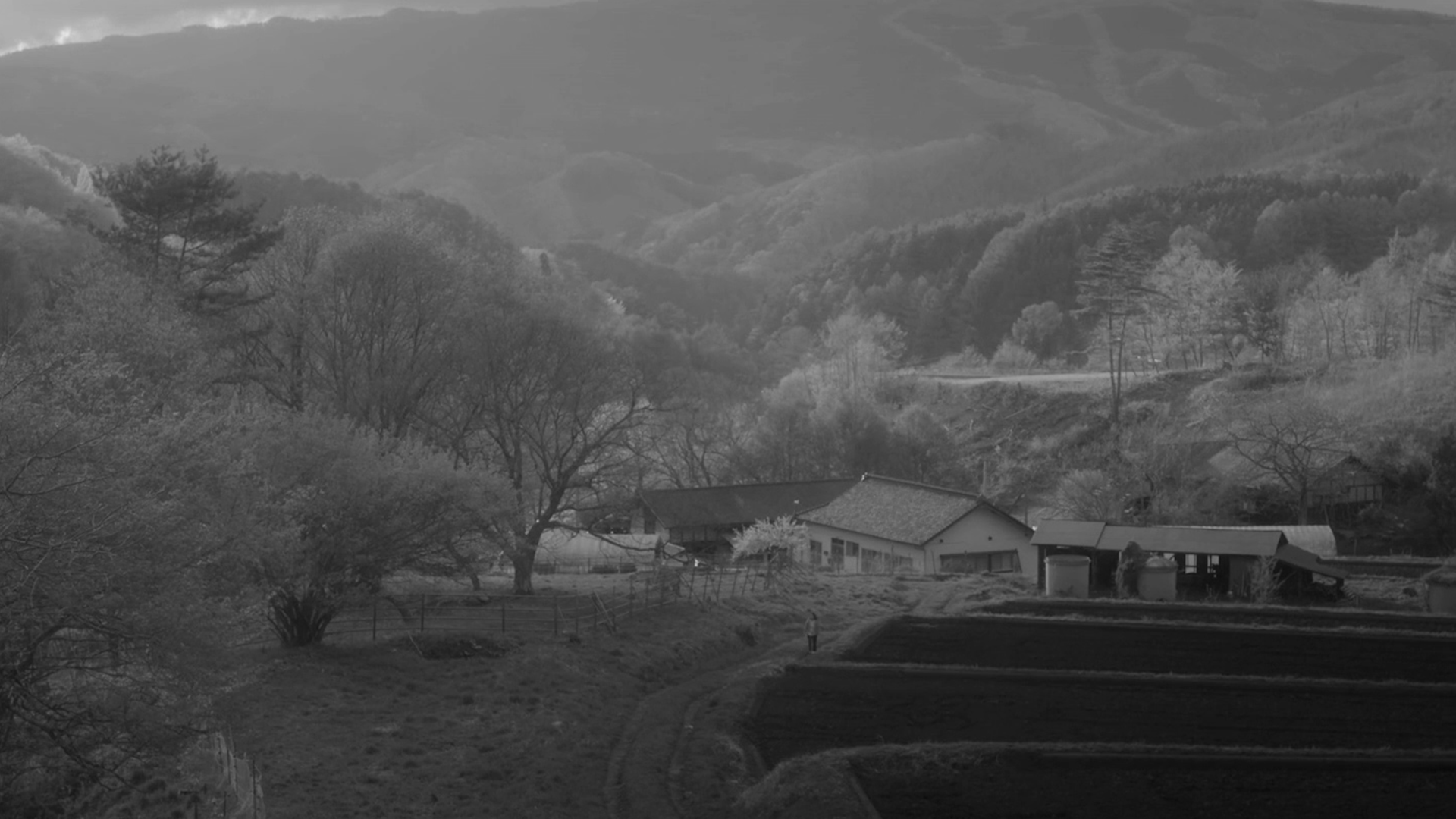
Shirumashi (Shirumashi, Fukunaga Takeshi, 2022) is a short film directed, photographed, and edited by Fukunaga Takeshi, the filmmaker behind interesting features such as Ainu Mosir (Ainu moshiri, 2020) and Mountain Woman (Yama onna, 2022), as well as several episodes of the recent series Shōgun. Originally from Hokkaido, Fukunaga knows how to capture the landscapes of the northern part of the Japanese archipelago. Here, the setting is Tōno, a town in Iwate Prefecture.
A young girl knows that her grandmother does not have long to live. Feeling helpless, she wanders deep into the mountains of Iwate, praying for her grandmother’s recovery. As she walks, she finds herself humming the lullaby her grandmother once sang to her. In these mountains, said to be home to the gods, she experiences something known as shirumashi, a prophecy.
It is the stunning visual aspect of the film that impresses most, but this is not an empty aesthetic choice. On the contrary, the soft, almost blurry black-and-white photography perfectly conveys the atmosphere of the area and establishes the film’s tone from its very first scene. Everything that happens in the plot is embedded in, or at least hinted at by, the composition, mise-en-scène, music, and choice of landscape.
Watch the short film here